



Yangminxing Wu, Yangminyan Wu
Natasha Wong remembers a woman who came to the Chinese Service Center carrying a bundle of cash held together with a rubber band. The woman was proud that she had never used a credit card and paid for everything in cash. For Natasha and her team, the conversation began with explaining the risks of carrying so much money and the differences between bank accounts.
The encounter showed how financial education could start with a decision someone was already making every day. Before discussing more complicated topics, the team needed to understand what the woman knew, what she trusted, and what would help her manage her money safely. In an interview with Youth of We Chinese Americans, Natasha Wong, an international law attorney and former House of China president, reflected on nearly 25 years of community work in San Diego. Her experiences connected financial literacy with the decisions behind community services: whom to serve, how to earn trust, and how to sustain a program when resources run short.
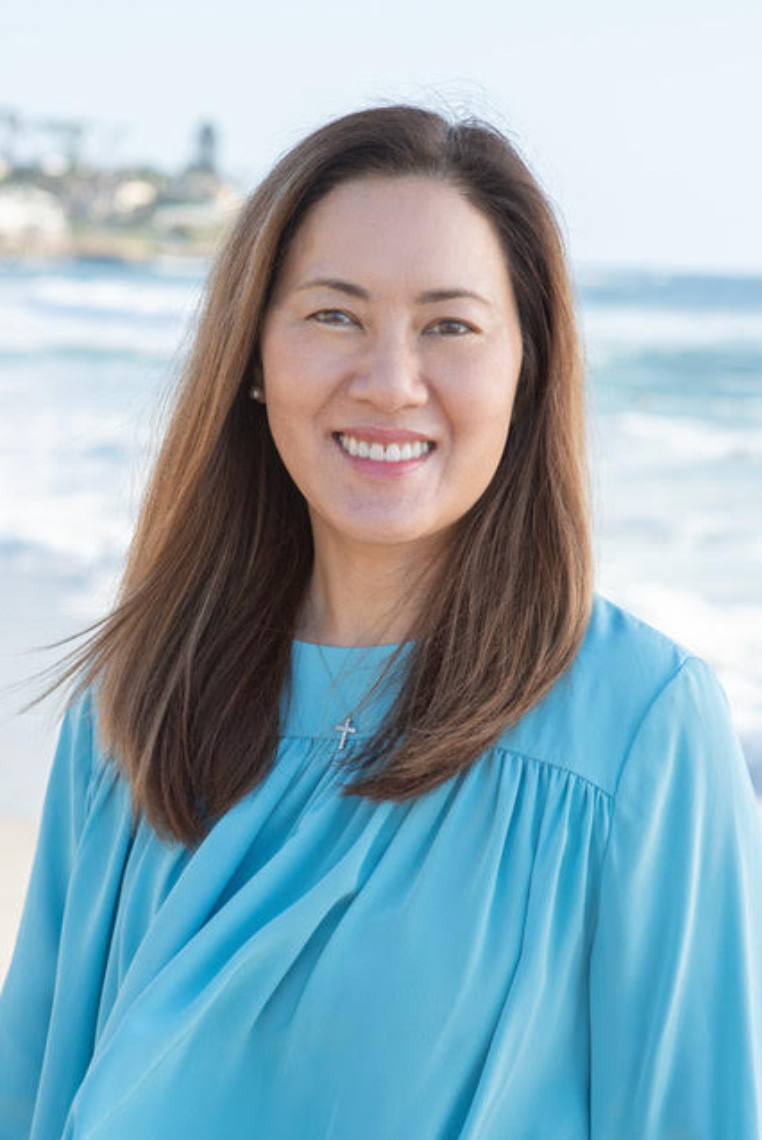
A Photo of the Attorney Natasha Wong
A native San Diegan, Natasha traced her commitment to community work to her grandfather and her mother, Sally Wong-Avery. She recalled her grandfather’s involvement in helping Chinese immigrants and described her mother as her greatest role model.
As a child, Natasha watched her mother provide free legal assistance, read mail for residents who could not understand it, and teach English to Chinese seniors. Those experiences showed her how a language barrier could complicate tasks that others took for granted. Natsha later worked alongside her mother at the Chinese School of San Diego, where she focused on young people. Partnerships with other community organizations helped lead to financial literacy programming. At the Chinese Service Center, residents often asked where to open a bank account, which institutions they could trust, and how different accounts worked. Natasha recalled that some immigrants were also hesitant to approach government agencies. Answering their financial questions required patience and a relationship built over time.
“Speaking someone’s native language really helps to break down those barriers,” she said.
That trust grew through practical assistance and a consistent presence at community events, including Chinese New Year celebrations, Moon Festivals, and Dragon Boat Festivals. Working with other local organizations also helped residents recognize the center and feel comfortable seeking help.
Young people brought their own questions. Natasha recalled students who had heard of credit history but did not understand its significance. Her team discussed budgeting, responsible credit use, and how interest could make unpaid purchases more expensive.
Helping students apply those ideas required more than explaining vocabulary. The center partnered with banks to offer workshops where students completed worksheets, practiced reviewing income and expenses, and learned how to reconcile account records. Natasha remembered a past Bank of America partnership in which students who opened an account with $25 could receive a matching $25 contribution from the bank. For many participants, it was their first bank account. The offer encouraged families to attend and gave students a concrete opportunity to use what they had learned.
“So we gave them a sort of hands-on practice with that,” Natasha said.
Her account emphasized the connection between understanding a financial concept and having a chance to act on it. Reviewing an account or opening one for the first time made the lesson part of a student’s own experience.
Natasha’s work also involved difficult decisions about whether services could continue.
During her time as executive director of the Chinese Service Center, she and her team established a free income tax assistance program in partnership with the IRS. She recalled offering help in several Chinese languages and dialects, including Mandarin, Cantonese, Toisan, Hakka, and Taiwanese.
According to Natasha, the program operated for approximately 10 years and received local government funding. As funding dwindled, however, the center eventually had to end it.
“We could not continue the program anymore because we had no more funding from any sources to continue that program,” she said.
The experience illustrated a practical limit on community planning: a service could remain valuable even when the organization no longer had the resources to provide it.
When considering support for a program, Natasha said she examines its mission, whether it fits her values and experience, why funding is needed, who else is supporting it, and how the resources will be used. For established organizations, she also considers their record of accomplishing their mission.
Personal experience influences those choices. Natasha linked her support for veterans’ mental health services to her family’s military background and her concern for veterans returning to civilian life. Some needs also demand an immediate response. Discussing support for the San Diego Food Bank, she described community donors mobilizing when food assistance faced funding pressures.
“How do you tell someone to wait on food?” she asked.
Responding quickly could address an urgent need, but she also stressed the continuing responsibility to maintain resources for the future.
Asked how nonprofits can assess impact beyond attendance, Natasha pointed to data collection. She described organizations using surveys before and after services to better understand participants’ experiences and needs.
She also recalled a Data Science Alliance project with Feeding San Diego that mapped areas facing food insecurity. Such information, she explained, could help organizations direct resources toward communities asking for the most help. Another example came from her conversations with the San Diego Food Bank. Natasha had asked what happened during summer, when children could no longer receive food through school-based distribution. She learned about mobile food pantries bringing supplies directly into communities, including places where transportation could make access difficult.
These examples showed why the location and timing of a service mattered alongside the number of people it reached.
For high school students designing a financial literacy program, Natasha recommended beginning with conversations. Ask friends what they want to understand and where they feel uncertain. Then seek advice from trusted teachers and counselors, and contact established organizations with experience teaching those topics.
“Don’t be shy, don’t be scared,” she said, encouraging students to reach out to program leaders.
She also urged teenagers to learn about long-term financial planning, including retirement accounts such as IRAs and 401(k)s. Some relatives, she recalled, had not encountered those subjects until after college.
“Teenagers should know they have the power of time on their side,” Natasha said.
Her advice returned to the approach visible throughout her community work: understand the questions people are asking, give them opportunities to practice, and consider what it will take to keep that help available.
请留下您的电子邮箱和请求,我们会尽快回复。
